
Buttermilk Substitute is a true kitchen hero, especially when you’re in a pinch and need a creamy, tangy ingredient to elevate your baked goods. This quick buttermilk substitute offers three easy methods that require minimal effort and ingredients often found in your pantry. Whether you’re whipping up fluffy pancakes or moist cakes, learning how to create buttermilk quickly can turn any recipe from ordinary to extraordinary. This step-by-step guide is perfect for both novice cooks and seasoned chefs looking for a seamless way to recreate that delightful buttermilk flavor without a trip to the store.
Ingredients
Creating your own buttermilk substitute involves just a few simple ingredients, each adding its unique touch to the final result:
-
1 tablespoon fresh lemon juice: This vibrant, zesty juice adds a bright note and tanginess that mimics the acidity of buttermilk.
-
1 cup whole milk (or 1% or 2%): The creamy texture of whole milk ensures your substitute will be just as rich and luscious as traditional buttermilk, while lower-fat options still provide a lovely flavor.
-
1 tablespoon white vinegar: Another acid that reacts with milk to create that sour taste you love in buttermilk, balancing the richness of fat in your recipes.
-
1 ¾ teaspoon cream of tartar: This powdered acid creates an instant tang and is perfect for those who prefer a no-liquid option while still achieving that much-needed creaminess.
Step-by-Step Directions
Creating a quick buttermilk substitute is as easy as it gets. Choose your preferred method from the three outlined below:
Method 1: Lemon Juice Buttermilk
-
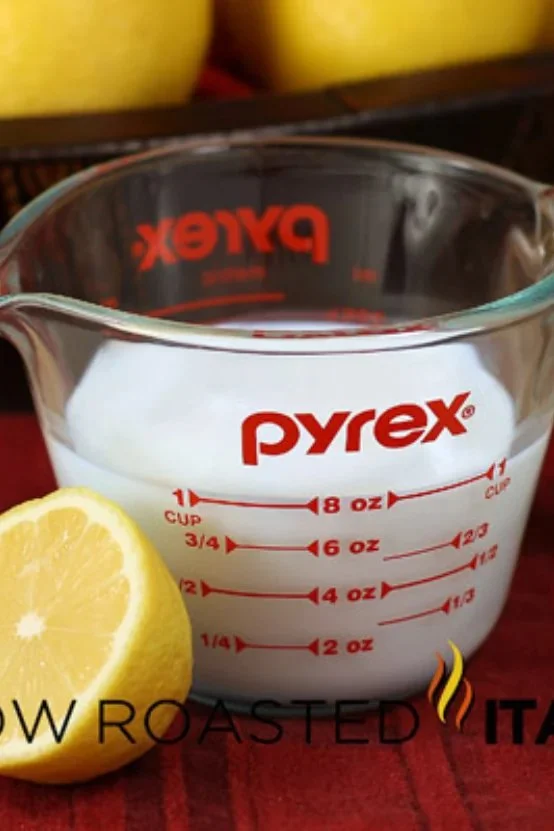
Measure Fresh Lemon Juice: Start by adding 1 tablespoon of fresh lemon juice into a 2-cup glass measuring cup.
-
Add Milk: Pour in 1 cup of your choice of milk, filling it to the 1 cup mark.
-
Let It Rest: Allow the mixture to rest at room temperature for about 10-15 minutes. During this time, the lemon juice will curdle the milk, giving it that signature buttermilk texture.
-
Stir and Use: After resting, stir the mixture until well combined, then use it in your recipe as needed.
Method 2: Vinegar Buttermilk
-
Pour Vinegar: Start by adding 1 tablespoon of white vinegar into a 2-cup glass measuring cup.
-
Add Whole Milk: Fill the measuring cup with 1 cup of milk up to the 1 cup mark.
-
Rest Period: Allow this mixture to rest at room temperature for 10-15 minutes to let it curdle.
-
Combine: Stir well after the resting period and it’s ready to use in your baking.
Method 3: Cream of Tartar Buttermilk
-
Combine Ingredients: In a 2-cup glass measuring cup, combine 1 cup of milk with 1 ¾ teaspoon of cream of tartar.
-
Mix: Stir well to blend the cream of tartar with the milk thoroughly.
-
Resting Time: Allow it to rest at room temperature for 10-15 minutes to form the curdled texture.
-
Stir and Serve: After this time, give it another stir, and it’s ready to enhance your favorite recipes.
Tips & Tricks
- Double the Recipe: If you’re planning a meal that requires more buttermilk, don’t hesitate to double or triple the amounts accordingly.
- Freshness Maximization: Always use fresh lemon juice and good-quality vinegar for the best results.
- Temperature Check: Ensure your milk is at room temperature before combining it with the acidic agent for optimal curdling.
- Taste Test: After preparing your substitute, taste a small amount to gauge the acidity; you can adjust the level of lemon juice or vinegar based on your preference.
Serving Suggestions & Pairings
Buttermilk serves as the perfect base for numerous dishes. Here are some ideas for incorporating your homemade buttermilk substitute:
- Pancakes and Waffles: The tangy flavor of buttermilk elevates breakfast favorites, making your pancakes or waffles fluffier and more delicious.
- Moist Cakes: Use buttermilk in your cake batters for a tender crumb and delightful flavor, ideal for birthdays or family gatherings.
- Breads and Biscuits: Incorporate buttermilk into biscuits for that classic Southern-style cheesy biscuit while enhancing the softness and flavor.
Nutritional Information
For each cup of your buttermilk substitute, the calorie count will roughly depend on the milk you choose. Whole milk buttermilk substitute will contain approximately 150 calories per cup, while using 2% milk will lower this to about 120 calories. This substitute remains a great option for adding flavor without a significant calorie load.
Storing Tips & Variations
- Storage: If you have any leftover buttermilk substitute, you can store it in the refrigerator for up to 1 week in a sealed container.
- Freezing: While not commonly done, you can freeze buttermilk in ice cube trays for easy use later—just thaw and use as needed.
- Variations: Experiment with non-dairy milk options (like almond or soy milk) combined with the acids to create a vegan-friendly buttermilk alternative.
Conclusion
Quick Buttermilk Substitute is not only straightforward to make, but it also opens up a world of culinary possibilities in your kitchen. Whether for a cozy pancake breakfast or a decadent chocolate cake, this recipe will have you covered without the need for any extra shopping. Try it out and embrace the exciting twist it brings to your favorite dishes. Don’t forget to share your experience and variations with your friends and family!
FAQs
-
Can I use non-dairy milk for buttermilk substitute?
- Yes, plant-based milks like almond, soy, or oat can be used successfully. Just mix with lemon juice or vinegar for similar results.
-
Is buttermilk substitute as effective as real buttermilk?
- While it may not have the exact same properties, in most recipes, it works similarly in terms of flavor and texture.
-
How do I know if my buttermilk substitute is ready?
- It should look slightly thickened or curdled, resembling traditional buttermilk.
-
Can I use yogurt or sour cream instead?
- You can thin yogurt or sour cream with water to achieve a consistency similar to buttermilk, making them valid substitutes in recipes.
-
What types of recipes benefit most from buttermilk?
- Recipes involving baked goods, especially pancakes, cakes, biscuits, and marinades for meats are enhanced by the use of buttermilk.
Buttermilk Substitute
Ingredients
Method
- Add fresh lemon juice into a 2-cup measuring cup.
- Pour in the milk up to the 1 cup mark.
- Let the mixture rest for 10-15 minutes.
- Stir until combined and use as needed.
- Add white vinegar into a 2-cup measuring cup.
- Pour in the milk up to the 1 cup mark.
- Let it rest for 10-15 minutes.
- Stir well and it’s ready to use.
- Combine milk with cream of tartar in a 2-cup measuring cup.
- Stir to blend thoroughly.
- Let it rest for 10-15 minutes.
- Stir again and serve.


Leave a Reply